Blog

  • Electric Door Maintenance: DIY vs Professional Electrician

    Electric doors and gates don’t need constant supervision, however, repairs and maintenance can become costly if maintenance is left until something breaks. Maintenance is straightforward, but some tasks are better left to qualified professionals.

    Deciding to do repairs or maintenance yourself can save both money and potential headaches, but it can also lead to worsening the situation if you start working on something you shouldn’t.

    Basic Troubleshooting for Homeowners

    When gates or doors stop working, the first check is also usually the simplest—has the power tripped? RCDs (the switches in your fusebox with a test button) often trip, and resetting it might get things working again. If it trips again, leave it off and find a professional—there’s a fault that needs servicing.

    Another issue arises from the use of remote controls. If the door does not respond when you hit the button, take a step closer to see if the door responds to your commands in case the remote is having a range issue. If the remote does not respond, consider changing the battery, as remote controls tend to use up their batteries after a year or two. If a remote is locked, the LED does not light when a button is pressed, meaning the battery is likely dead or the remote is locked.

    Occasionally, remotes have to be reprogrammed, particularly after a power outage or a drained backup battery in the motor unit. The instructions for reprogramming are generally available in the manual, however, many installers print programming instructions on the left side of the motor cover.

    Unmoved physical obstructions cause many blockages which is surprising to many. Obstacles like ice or leaves in the frames can cause door movement malfunctions. Doors can also jam if something is stuck inside the slats that are used for movement. Before assuming that there is an electrical problem, check for the obvious first.

    Garage doors have safety sensors that sometimes get misaligned or dirty. These safety sensors are on either side of the opening near the floor that are supposed to stop the door from closing if something is in the way. If your door can open but will not close, try checking if the sensor lights are on. Wiping them down and making sure that they are pointed at each other will most often fix the issue.

    Annual Maintenance Requirements

    Electric doors have an annual service, but this is not always considered critical because it highly depends on the specific type of door and how often it is being used. For domestic garage doors, they will need less attention in these cases, as they are usually only being used twice a day, as opposed to commercial loading bay doors that are being used dozens of times throughout the day.

    The motor is something that usually needs very little maintenance. Most current models are sealed and built to last for years without any intervention. However, attention is needed on the moving parts, including the tracks, rollers, hinges, and springs.

    Tracks should be cleared of dirt and debris. If the tracks are starting to get built up with dirt, a quick vacuum and wipe down every few months should be enough to clear the dirt before it becomes a problem. Make sure to check the tracks for any signs of damage or distortion, as bent sections can cause some trouble.

    They don’t need that much lubrication, though. Only a little lubricant is required, because if it is over-applied it will attract dust and grime, causing even more issues. A light oil for a machine, or a special lubricant for garage doors works well for the hinges, rollers, and garage door springs. Do not use wd-40 oil because it is more of a cleaner than a lubricant.

    The springs over door sections are under a lot of tension and have a short lifespan. They are rated for a certain number of cycles (10,000-20,000 for doors that are for a domestic use is average), and after that, they will eventually break. Glass and sectional doors, in particular, are not a job the home owner should do, the tension in the springs can cause a lot of injuries if it is handled wrong.

    Test the balance of the door, to do this, disconnect the motor from it (usually, it has a pull cord), and raise the door manually until it is vertical. It should hold this position. If it closes, or opens by itself, the springs need to be adjusted by a qualified technician.

    When It Is Time to Call the Professionals for Electrical Faults

    Some issues with the electrical system of the garage door are worse than DIY work. If you see smoke, burning, or sparks, or if of the motor is turning while making a lot of noise, grinding, or if you smell overheating electrical components, this is a strong sign to hop on the phone and call for help.

    Intermittent issues can be difficult to trace especially if partial operation of the door is experienced. Problems with loose wiring/connections, moisture damage to junction boxes, or failing system/software components can be the cause. These problems require professional help as proper diagnostic methods are necessary to identify the problem.

    Motor issues (failure on some cases) can be a problem as well, however, in the case of complete motor unit failure, especially with a system that is over 10-15 years old, we recommend unit replacement, as it is usually a better choice, especially if there are no easily accessible parts. An electrician who has experience with door systems should be contacted, as they can offer insight on whether replacing or fixing the door is the better monetary choice.

    Professional help is a must when it comes to issues concerning safety features such as obstruction sensors. These can be highly dangerous. If the door fails to reverse, avoid using it, and don’t just disconnect sensors to remove the system. These features can be to prevent serious injury, as automatic doors can be very dangerous.

    Electrical work is complex and can be very dangerous; it is recommended to avoid doing your own power supply, control boards, and motor wiring. These systems operate on a 230V supply and can be fatal, especially if they are live circuits and you have little to no experience.

    As Commercial Maintenance Contracts

    As for commercial premises, annual maintenance is not only a good practice, but is also a requirement for insurances as well as for the legislation regarding safety and health. Automated doors in commercial premises also have specific requirements regarding workplace regulation and need to be thoroughly examined.

    Maintenance contracts typically include inspections of both the electrical and mechanical components of the systems on a bi-annual basis. The engineer is required to test the safety features of the systems activate and de-activate, do a door balance and operational check, lubricate the moving parts, and do a wear analysis on the components to perform a failure diagnosis.

    The type and number of doors will influence the costs, but for domestic style a garage door expect to be charged in the ballpark of 150-300 pounds yearly. Larger commercial roller shutters or high-speed doors will incur a larger expense, and will likely cost in the range of 400-800 pounds. The scheduled maintenance is likely covered, but not the repairs. Contract holders do, however, most of the time get prioritised service and repair discounts.

    Peace of mind for sites where door failures could seriously disrupt operations is provided by some contracts including a number of call outs or breakdown cover. The more of these features a contract has, the more expensive the contract will be. The cost for an advanced commercial maintenance contract will also include time responsiveness and coverage of the maintenance.

    Maintaining commercial property is important to keep maintenance logs. Insurers must see proof of consistent servicing when claims are made. Also, maintenance logs are made available to the HSE when they request access to them. After each maintenance visit, most companies write detailed logs.

  • Getting Ready for Winter with Commercial Electrical Systems

    Electrical systems will present potential problems during winter that are not present during other seasons. Winter brings cold and wet weather and shorter days, and when you are busy during peak times or when the warehouse is operating at full capacity, the last thing you need is for your electrical systems to fail.

    Finishing this before winter problems materialize makes sense. Being proactive with some inspections and maintenance during October or November can save you expensive service calls during winter when everything seems to fail.

    Inspection of Heating Systems

    Even though the heat source for many commercial heating systems is an oil or gas, many of the systems are electrically powered. Boilers need electrical power for their pumps, controls, and ignition systems. Air source heat pumps are completely powered electrically. Warehouse heaters use a lot of power when they’re running all day.

    The problem is that heating systems sit for the calender summer and then are expected to work flawlessly when everybody wants heat to come from the heating systems. Back in March when heating controls were functioning, the systems may have developed some faults over the summer months. Thermostats that are used to calibrate the temperatures can drift, and contactors that turn the heating on and off can become stuck or corroded.

    Make sure you run a complete set of tests on the heating system well before you actually need it. You particularly want to avoid waiting until the first really cold morning when staff are complaining about freezing offices If you have multiple zones or time controls make sure you test those as well.

    Make sure you have some sort of record of the electrical connections to heating equipment. Loose terminals cause problems. A connection that is slightly loose may work fine for months but will certainly cause problems when the load increases. Look for symptoms of overheating like discolored terminals, burnt smells, or melted insulation around the connections.

    If the heating equipment is a three-phase heater that you have in a warehouse or workshop, make sure you check this carefully as well. If you lose one phase the heater may lose the ability to work properly and may actually damage itself trying to work. If the heater has gotten into a state of tripping out make sure that you investigate this before winter. You don’t want to be in a situation where the staff are working in a really cold environment.

    Because of the nature of a commercial building’s functions, thermostats can sometimes get removed, painted, or obstructed. Make sure the thermostats in the building are located in the appropriate spots, and working properly. Sometimes a thermostat may seem to be located correctly, but there are filling cabinets in the way, or the thermostat improperly calibrated due to direct sunlight coming from a window.

    Light Must be Provided for the Outdoors and for the Shorter Days

    There are shorter amounts of daylight in the winter, however, there still are outdoor areas that need to be lit for safety from the darkness. In the winter, hold outdoor spaces need to be illuminated from 4pm. Make sure to check that external lights are working before winter to make sure they function in the dark. It’s much more pleasant to be working in the dark in the winter than working in the dark, cold, and possibly in icy weather.

    Photocells that automatically turn lights on don’t really work sometimes. It’s quick and easy to check them by covering the sensor to simulate darkness. If the lights don’t turn on, the photocell needs a swap. Some units get covered in dirt or cobwebs which affects how they work.

    Most businesses today install LED lights, but older models still in use (sodium or metal halide) take a while to warm up to full brightness. Consider how effective and safe your current lights are. If someone is trying to find their vehicle in a 5-minute parking lot, but it takes the lights 15 minutes to warm up and reach full brightness, that is not effective lighting.

    Most people assume emergency exit lighting works until it needs to be used. In most verticals, regulations require you to disable the lights, and use the test buttons to confirm they illuminate the space. Emergency exit signs have maintenance free batteries, but if they are older than 4 years, they are probably not working.

    Weather Protection for External Equipment

    Weather and electronics do not mix, but when it comes to crafted external installations, you have to make the most out of it. Make sure that all installations that are supposed to be weatherproof are.

    Look for signs of corrosion and box moisture. Storm water ingress in external box installations can be a big problem if not addressed. Rust and moisture issues are signs that the seals around the enclosures are failing. If a seal looks fine, it probably is.

    Automatic doors and electric gates are especially at risk because they are located at the sides of a structure and have moving mechanisms. Moisture seeps into the motors and control and junction boxes that are installed in gate posts. Make sure that the cable glands are closed tightly and that drain holes in the equipment housings are cleared. Some gate motors have breather vents that should also be kept clear, but they should not be exposed to rain.

    Outdoor sockets that are used for maintenance, window cleaning, or temporary equipment should also be examined. The covers on these are often left open or closed poorly. Moisture left in an outdoor socket can trip your RCD’s and leave room for dangerous faults.

    Not to mention that cable runs on the outer walls are also exposed to UV degradation and room for physical damage. Make sure that all conduit and trunking are complete without gaps, damage, or loose covers that would allow water to enter.

    Planning for Emergencies when Power Disconnects Occur

    Winters present the highest risks for power outages. Ballistic storms can drop power lines. Heavy load equipment failures are common. Network issues also become problematic when the weather is bad.

    Make sure you know where your main isolators and distribution boards are located, and ensure your staff know these locations too. In the event of an emergency, you will need to be able to isolate sections of the power supply rather than shutting the power off for the entire building. Clearly labeled breakers will ensure you know which breaker controls which power source in an emergency.

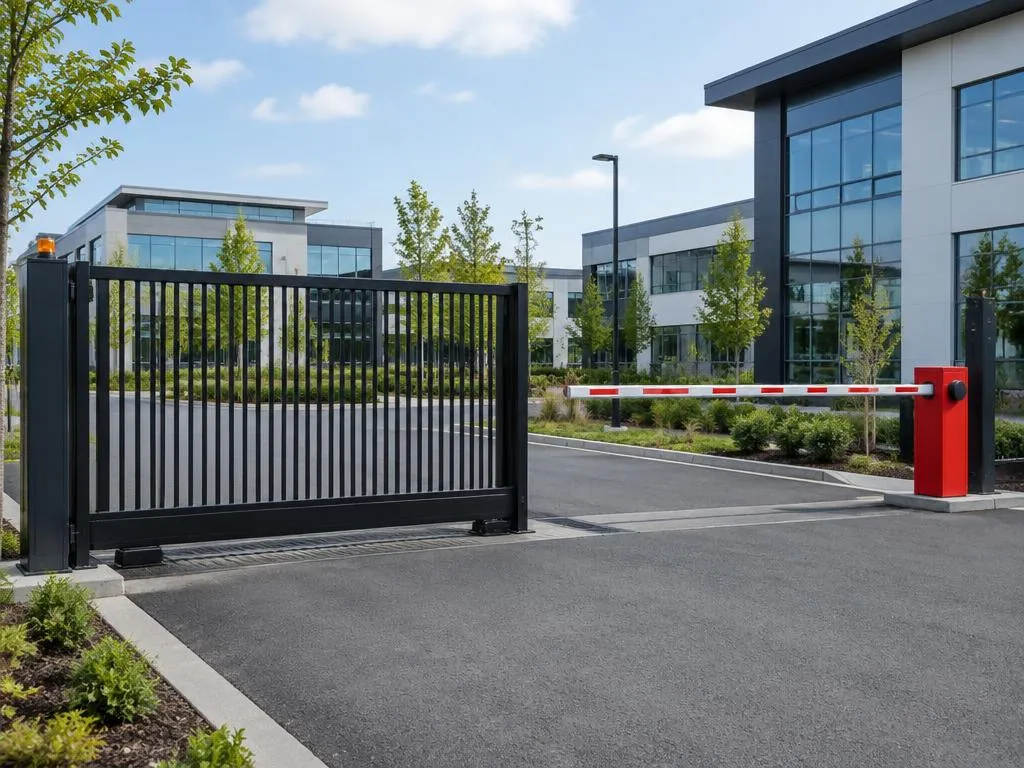
    Emergency lighting is critical, but consider what other equipment will no longer function in the event of a power outage. Barriers and electric gates will no longer function, which could trap vehicles or restrict access. Loading bay doors become inoperable. Access control systems may fail without warning. Prepare a manual override and ensure staff are trained on it’s use.

    Think also about backup power for critical systems. Full generator backup is costly, but it’s worth considering a UPS for essential systems like access control, server rooms, or some specialized production equipment. A few minutes of battery backup, even, is valuable to allow proper shutdown of a system.

    Store contact information for your electrical contractor in a way that doesn’t rely on computers. When the power is out, you shouldn’t have to search through your emails on your dying laptop to find the number you need to call for assistance.

    Problems during winter and the following months are somewhat predictable. Spending a day or two in the Fall should reduce or almost eliminate the expensive emergency call outs during the cold months.

  • When to Call an Electrician: Electric Door and Gate Installations

    Installing an electric door and gate isn’t something you just do with a screwdriver and a Youtube video. There are a lot of electrical work that will need to be done to ensure that all of the work meets the legal and safety guidelines. If the work is done incorrectly, it can be a hazard and very costly. Additionally, it can cause others to be hurt and even cause problems that will make your insurance void.

    Here is a brief overview of the electrical work needed for the automatic control and electric doors and gates and instances that will need a certified electrician.

    Electrical Requirements for Automated Doors

    Remote control and automatic access systems like electric gates and garage doors need to have a reliable electrically accessible main power supply. The motor units usually run off of 230V, like your home electrical systems, but in some cases like with big commercial systems, they can use three-phase power.

    The supply needs to be enough for the motor load. Domestic garage door motors use about 3-5 amps during working, which does not seem like too much, but they will need to have their own dedicated circuit. Using an extension cord to run the door from the house is very risky. The extension cord could be a hazard because it is not rated for outdoor use and it can cause a trip hazard. If you have gates that are far away from the house at the end of an expansive driveway, it will be even more challenging to run power to that area.

    You can’t just run a power cable over the surface. It needs to be buried to a specified depth and properly protected against possible damage. The regulations specify how deep wires need to be buried (450mm under grassed areas and 750mm under driveways) as well as what type of cable and protection is required. Some gate systems use low voltage control circuit (12V and 24V) which is safer to work with, but a proper mains supply is still needed for the transformer which steps down the voltage. There are solar powered gates, but they are only practical in locations where running mains power is very expensive due to battery backup and reliability issues. The circuit supplying your door or gate must have RCD (Residual Current Device) protection. This is an electrical safety device which turns the power off to avoid electric shock and is very necessary in the case of automated doors and gates since they are, by definition, outdoor electrical installations which are vulnerable to weather. Part P of the Building Regulations covers the safety of electrical work included in the construction of a building.

    One of the new installations that need to comply with regulations includes wiring for electric gates and wiring for garage doors. ** The regulations state that electrical work needs to be completed by either an electrician who can self-certify their work or needs an inspection and testing by building control. ** There is technically nothing wrong with DIY electrical work. However, building control needs to be contacted before you start, and you will have to pay for an inspection afterwards. This is often a bigger cost than just hiring an electrician. ** If you are an electrician with a NICEIC, NAPIT, or ELECSA membership, you will be able to complete the job and be able to offer an electrical installation certificate. ** This is important because you need to prove the work is done to an acceptable standard and that will be an issue when you try to sell your house. ** Getting a legally defensible electrical certificate involves a lot of work. For example, you need to prove that you followed the right procedures when it came to cable sizes, circuit protection, earthing arrangements, and testing results. ** The installation must be safe to prevent fire and electric shock risks. ** The needs are even greater when installations are for commercial purposes.

    Your electrical wiring has to follow BS 7671 (the IEE Wiring Regulations), and based on the site location, you may also need to obtain periodic inspection reports. Emergency Electrician Services for Door Systems. A faulty electric gate or garage door is usually very inconvenient, and the worst times to break down are when you are heading to work or when you need to get vehicles in and out of a business parking lot. While most of the problems are mechanical and not electric, some are electrical problems that need urgent attention from an electrician. Problems in power supply om ain disruptions may be straight forwards or may be more complex. In some cases, it’s a blown fuse or tripped RCD that you are able to reset. However, if the RCD continues to trip, a fault needs investigation. Issues may be moisture in the connections, a damaged cable insulation or a faulty motor. Emergency electricians usually charge a flat call out fee and then charge hourly on top of that. Evening, weekend and public holiday call outs usually are more expensive. A call out fee of 80-150, and 50 to 100 per hour on top of that is the average charge. For business locations, these costs are worth it if a faulty gate is hindering business operations. Many gate and door installers also provide emergency repairs and these are usually a better price than calling a general electrician.

    They may have worked with similar systems and likely have common spare parts. Estimated Costs for Professional Installations for Automated Door Systems and Gates The electrical installation for an automated door or gate system can range from £200-600 based on the complexity. For example, if we take a simple garage door system installation, and a socket outlet is already present within reasonable distance, we are looking at running a supply and connecting within a couple of seeing 2-3 hours. This might only cost £200-300. Gates at the driveway end have more detail complexities. If we have to trench dig, lay armoured cable, and install an outdoor socket or connection point, and wire control panels, and safety devices, then we are looking at a day’s work or more than that. For the electrical work alone, rough cost £400-800 on top of gate installation costs. Some gate installers price all electrical work inclusive, having their own in-house electricians, or calling in electrical subcontractors. Others only price the gate mechanical installation, and expect you will separately arrange the electrical work. Make no assumptions, and communicate what your expectations are to ensure no disappointment. For electrical work on a commercial installation with more than one gate, barriers, access control systems, and/or CCTV integrated, electrical work estimates can be in the thousands. Design of the systems is critical, appropriate cable sizes for longer runs, sufficient earthing arrangements, and in many cases backup power supplies are essential.

    This isn’t a job for general electricians – you need to hire someone with experience with access control and security systems. Getting the electrical work right from the start avoids issues down the road. Trying to save money by improperly powering supplies is a false economy when you end up paying to fix it right afterwards.

  • Electrical Safety for Automated Access Systems

    Electric gates and automated doors work great until something in the electrics goes wrong. Then the units become a liability for the business. Water gets into connections, cables become damaged, and all of a sudden, you’ve got an outdoor installation with mains voltage running through it while people walk by all day.

    Safety reulations and accross the board standard safety practices are in place due to previous accidents that have happened. An untended piece of maintence on a control board, a gate becomes posotioned down on a person and traps them because the safety features are programmed wrong, a motor has a thermal runaway due to the wiring being out of standard and a fire is present. Addressing and executing safety modifications to these machines is crucial to safety.

    RCD Protection Requirements

    RCDs are the breaker switches in your consumer unit that go off when they detect a fault. They monitor the current flowing through a circuit and if some of it is leaking where it shouldn’t, the RCD shuts off power to the circuit to avoid the danger of being electrocuted.

    All automated doors and gates require RCD protection. It is not a negotiable requirement because of the current wiring regulations. These installations are subjected to the weather, they are installed in garages that are prone to flooding, and they are in locations where people can access them easily. The opportunity for something going wrong is too great not to have that protection.

    Most installations will use 30mA RCDs which trip if current leakage hits 30 milliamps. While this does sound like nothing, it is enough to kill someone if they are unlucky. Some installers, especially for commercial work where liability is a greater factor, use 10mA RCDs for further protection.

    With RCDs, the problems will usually stem from nuisance tripping. Small moisture build ups in outdoor junction boxes, condensation in the motor housing, and other small areas, can cause minor current leaks that are not dangerous. However, while they are still not dangerous, the control will trip regardless as a protection measure. This can leave you stuck.

    The temptation to bypass the RCD, or to just swap it with a less sensitive one, can be great. However, avoid this at all costs. If it is tripping repeatedly, it is doing this for a reason. You need to find the fault and fix it.

    The RCD is supposed to be tested monthly by pressing the button, however does anybody actually do this with a domestic installation? Probably not. However, with commercial installations, this needs to be documented and if there is an accident, problems also arise with the HSE and your insurer if you cannot show when the RCD was last tested.

    IP Ratings for Outdoor Equipment

    IP ratings measure the amount of protection an individual item or unit offers from the weather. The first digit of the rating covers protection from dust and the like, the second digit deals with water. An IP65 rating means that the control box is dust-tight and can withstand water being sprayed from any direction. An IP54 rating offers slightly less protection and is acceptable for kits that are under moderate cover.

    For gate motors that are weather exposed, an IP65 rating is the absolute minimum, and control boxes are the same unless there is sheltered mounting. Junction boxes that are buried into gate posts certainly require proper ratings because water can easily get in and evaporating is not really an option.

    These ratings mean little though if installation is not done properly. Drill holes into an IP65 rated box and leave them unsealed? Not IP65 anymore. Use cable glands that are low quality and don’t tighten fully so water can easily get in? Fit the box the wrong way around so the water can easily pool? That is asking for detail trouble.

    Cheaper pieces of equipment are usually the culprits of this as they often advertise IP ratings they do not really have. The lid may sit on a poorly constructed seal that’s already cracking, or their cable entries do not have glands to seal them properly. You get what you pay for.

    Box corrosion can happen even with good sealing. During the colder overnight temperatures, the moisture in the air traps and condenses inside. Plus, the corrosion inside the compartments starts on the terminals. Breather control vent boxes have the function to circulate the air, but this control is often blocked by dirt, and over time, also by insects.

    Appropriate Installation Distances and Clearances

    Automated gates and doors can create squeeze points. There’s no way to completely block this problem, but the guidelines define the clearances to minimize the problem as much as possible.

    For the crushing zone, meaning the area where the gate closes, you need at least a 500mm clearance from any fixed object. This leaves enough zone if someone were to be caught to be able to get out and to safety from the gate, for example, if a brick wall or fence post is in the way. The requirements might be larger for some scenarios, depending on the weight and speed of the gate.

    Swing gates are especially problematic as they sweep through an entire arc when opening. If a person is in front of a heavy gate when it starts to swing, they could get pushed over or lose balance. Warning signs can help, but the design is more imporant. Beacons and flashers, though not required for residential uses, activate to warn that the gate is about to move.

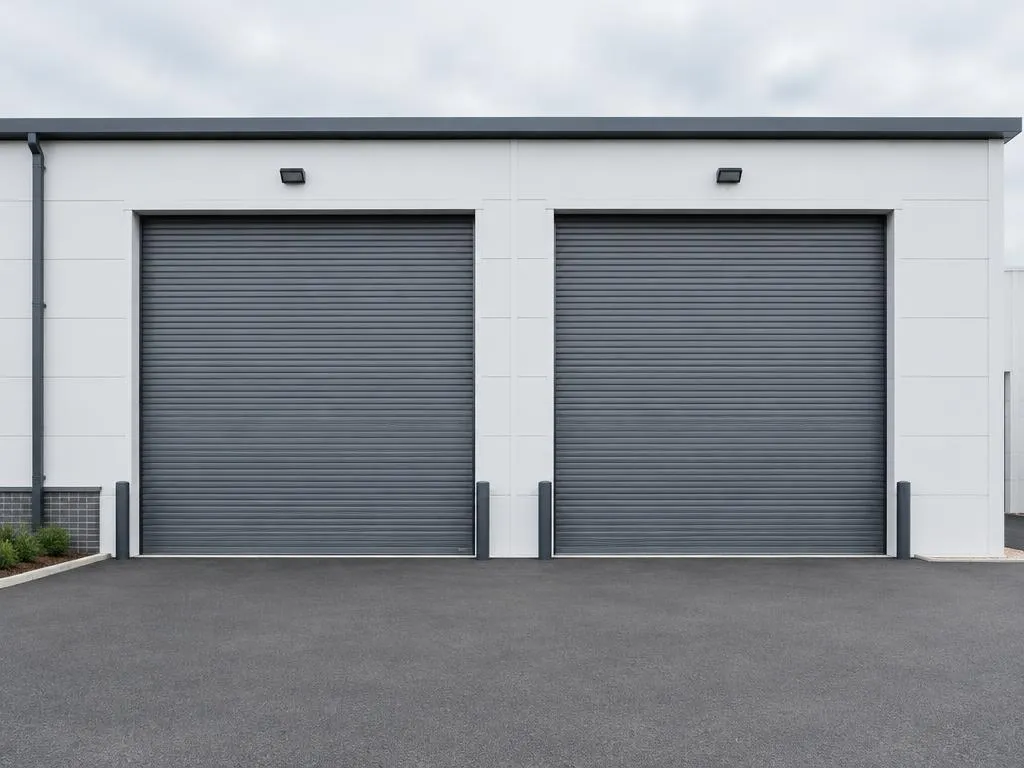
    Roller shutters and sectional doors require headroom. The ascending edge needs to clear head height by around 2.2 meters and above. It needs to be accounted that deliveries are likely to have stacked boxes that might block the opening.

    Safety edges installed on the gates that close are designed to sense and reverse the gate. These do work and are necessary, but only when not damaged. Make it a point to test them on purpose. If a gate fails to stop or reverse when a safety edge is pressed, it shouldn’t be used until it’s fixed.

    Photocells that reverse gates are also designed to break the beam and require deliberate placement. If set too low, twigs, leaves, or random bits of wrappings will block them and set the beam. If set too high, they will miss a small child or a dog. The point is usually around knee height, but is often adjusted to work better.

    Not that you’d believe it, but spider webs over photocells are common. If the beam getting blocked is the only reason the gate won’t close, don’t let a web stop someone from closing it.

    PAT Testing for Commercial Installations

    PAT testing involves confusion for many people because the gate motor itself doesn’t need testing while the intercoms, control panels with plug tops, and other moveable appliances do need testing because they/dust plugged into sockets of the commercial setting.

    How often testing takes place will depend on the risk assessment. If there is equipment OUTDOOR, in rough, harsh conditions, they probably need annual checks. If it is sheltered equipment and doesn’t get much wear, they could stretch to two years. Some industries are fussier than others, and your insurer might have requirements.

    The test itself checks for obvious damage, correct wiring, earth continuity, and insulation resistance. It takes a few minutes per unit of equipment for you to get a pass/fail label stuck on equipment along with the date and retest date.

    For gate systems, a proper inspection, rather than just PAT testing the plug-in bits, by a knowledgeable person is more reasonable, They assess the safety features, check the fixed wiring, the motor operation is tested, and they look for mechanical wear. Rather than just knowing there is good earth continuity on the intercom, you get the full picture. It is a more informative result.

    Businesses need to have documentation. If something goes wrong and an injury occurs, the first question is whether the equipment and pieces of machinery were maintained and looked over regularly. If there are no records, you are in a bad place, even if the pieces of equipment were fine. Courts and insurers won’t believe a company if they say they looked at the equipment without any documentation.

    Some companies become relaxed and complacent when a system runs for a few years without any issues. Everything is running smoothly, so what is the point of spending money on an inspection? Then someone gets injured and the HSE investigates; and all of a sudden, the annual inspection that costs about £200 looks really cheap in comparison to the fine and legal expenses.

  • How to save money whilst using your electrical appliances

    With prices of pretty much all our household bills rising it’s important to consider where we can be saving energy and money. If your appliances are fairly new they should have energy efficiency ratings on them. When purchasing new appliances you should always opt for the most energy efficient ones as these will save you money in the long run.

    Many appliance that use a lot of energy like a washing machine, dish washer or tumble dryer usually have an eco setting. Often people avoid these as it takes the appliance longer to run a cycle. This setting does however save energy, therefore money. In the case of a washing machine and dishwasher this setting uses less water and washes at a lower temperature saving lots of energy.

    Lots of people wash their clothes at 40 degrees however most of the washing detergent companies state that their products work just as well washing at 30 degrees. By turning your washing machine down from 40 to 30 degrees you could be saving as much as 40% of the energy normally used in each cycle!

    Lastly don’t forget, when you’re not using an electrical item switch it off at the plug, leaving electrical appliances on standby wastes energy and money everyday.