How to find Garden & Patio Awning
While selecting Garden and patio awnings that you must consider the worth factor at the side of the standard of the awnings. You possibly can easily get the list of garden & patio awning prices through various websites which provide you a jest of diverse manufacturers’ details at the side of their diversified range of goods. You can too get to understand the cost of the garden and patio awnings by visiting your nearest manufacturers recommended by your acquaintances. Garden & Patio awning price is absolutely not that pricey because they're prepared of several diverse materials and are made obtainable in various unusual styles as a way to suit every pocket in addition to meet the necessities of the shopper. You can't just compromise with the entire fantastic thing about your own home through saving the expenses of putting in the garden and patio awning. Garden & patio awning prices should not that much expensive but additionally give your home a classy look.
 For making household work, entertainment, comfort simple within a busy, busy world, household electronic products are primary. They're mainly electrical or mechanical items that achieve household tasks like cooking and cleaning. This apart, they also serve leisure and relaxation functions. To buy home electronics one needs thorough planning and research. Often products require a good amount of monetary investment and as soon as money is required, one wants value for money. Consequently to buy household electronics one needs caution.
Here are some tips to buying household electronics:
·Take a look at whether the product you want has the right models available for sale on the web. The online stores have a tendency to price these products in line with other retailers and also offer added benefits like free shipping costs, warranty and money-back guarantee .
·Take a look at the accessories and their costs, which can often be priced very highly by stores and i...
For making household work, entertainment, comfort simple within a busy, busy world, household electronic products are primary. They're mainly electrical or mechanical items that achieve household tasks like cooking and cleaning. This apart, they also serve leisure and relaxation functions. To buy home electronics one needs thorough planning and research. Often products require a good amount of monetary investment and as soon as money is required, one wants value for money. Consequently to buy household electronics one needs caution.
Here are some tips to buying household electronics:
·Take a look at whether the product you want has the right models available for sale on the web. The online stores have a tendency to price these products in line with other retailers and also offer added benefits like free shipping costs, warranty and money-back guarantee .
·Take a look at the accessories and their costs, which can often be priced very highly by stores and i... 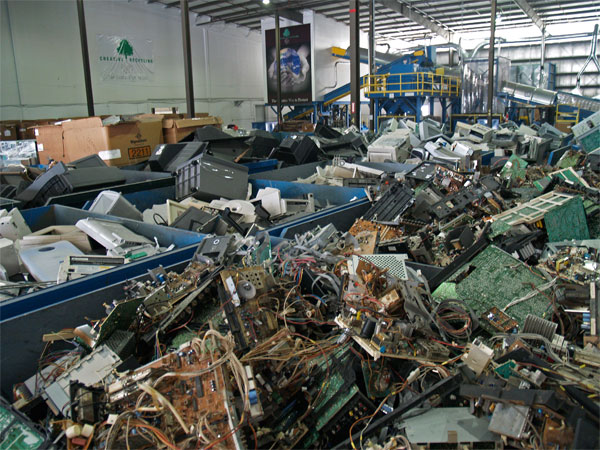 Quite a few of us are veterans of recycling programs in which we can sort our own recyclables into the appropriate recycling bins to the praise of all of our neighbours. It's possible you'll live in areas that offer a single stream service that does not involve sorting. Irrespective of which type of program is in effect in your town, some forms of household items can't be placed out with the rest of trash or recyclables -- specifically, household electronics. Computers and stereo equipment call for some special attention once you're ready to dispose of them.
Don't Put Electronics In Your Recycling Bins
Electronic household items can't be placed with common trash or recyclables. Most of these goods include heavy metals which are not permitted in landfills. Those old CRT monitors from pcs and aged TVs actually contain lead and mercury. They may be perfectly risk-free to work with, but once they break down in a landfill, those metals break down and penetrate the drinking water sy...
Quite a few of us are veterans of recycling programs in which we can sort our own recyclables into the appropriate recycling bins to the praise of all of our neighbours. It's possible you'll live in areas that offer a single stream service that does not involve sorting. Irrespective of which type of program is in effect in your town, some forms of household items can't be placed out with the rest of trash or recyclables -- specifically, household electronics. Computers and stereo equipment call for some special attention once you're ready to dispose of them.
Don't Put Electronics In Your Recycling Bins
Electronic household items can't be placed with common trash or recyclables. Most of these goods include heavy metals which are not permitted in landfills. Those old CRT monitors from pcs and aged TVs actually contain lead and mercury. They may be perfectly risk-free to work with, but once they break down in a landfill, those metals break down and penetrate the drinking water sy...  With going "green" being the new global mantra, home-owners are increasingly switching to power saving mechanisms to minimize household costs. Household electronics and appliances are a lot more energy efficient than they were generations ago. Although, the sheer increase in the quantity of appliances and devices in use throughout the country mean that energy saving still remains a priority for the government. Bigger electronic gadgets and high speed processing computer systems demand larger amounts of energy that will eat into your household budget.
The Consumer Electronics Association (CEA) has outlined the following checklist for property owners that can help them conserve energy and savings.
Use appliances with the Energy Star labels.
Unplug mobile phone chargers when they have already been fully charged.
If your personal computers or lap top computers come equipped with power conservation equipment, make complete use of them. Refer to the owner's manual to determine...
With going "green" being the new global mantra, home-owners are increasingly switching to power saving mechanisms to minimize household costs. Household electronics and appliances are a lot more energy efficient than they were generations ago. Although, the sheer increase in the quantity of appliances and devices in use throughout the country mean that energy saving still remains a priority for the government. Bigger electronic gadgets and high speed processing computer systems demand larger amounts of energy that will eat into your household budget.
The Consumer Electronics Association (CEA) has outlined the following checklist for property owners that can help them conserve energy and savings.
Use appliances with the Energy Star labels.
Unplug mobile phone chargers when they have already been fully charged.
If your personal computers or lap top computers come equipped with power conservation equipment, make complete use of them. Refer to the owner's manual to determine...